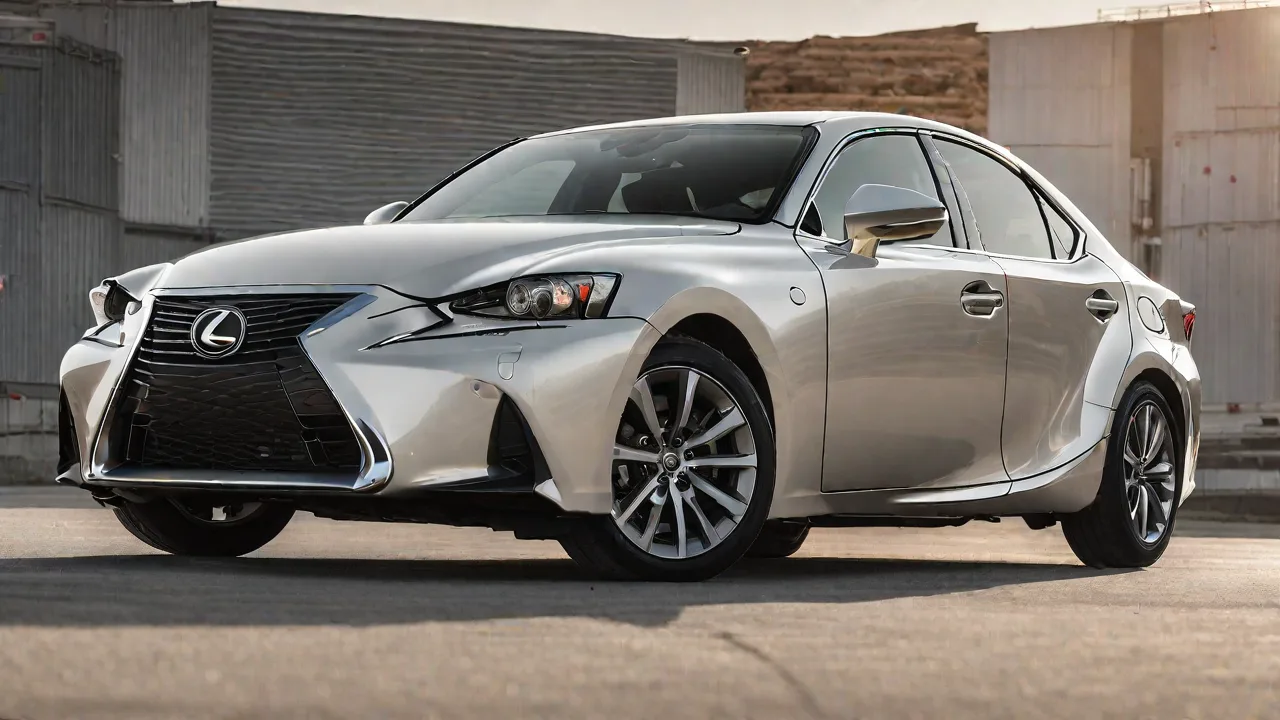
Emergency Procedures and Safety Features to Know in Your Everyday Lexus IS 300
Emergency Procedures and Safety Features to Know in Your Everyday Lexus IS 300
Your Lexus IS 300 is a sophisticated blend of luxury, performance, and cutting-edge safety technology. Equipped with a comprehensive suite of advanced safety features, the IS 300 is designed not only to protect you and your passengers during normal driving but also to assist you effectively in emergency situations. Understanding these features in-depth, as well as mastering key emergency procedures, can make all the difference when seconds count. This guide will walk you through essential emergency protocols and provide detailed insights into the Lexus IS 300’s safety systems so you can maximize your confidence and safety behind the wheel.
Essential Emergency Procedures for Lexus IS 300 Drivers
In any emergency, your immediate actions can significantly influence the outcome. Whether you experience a breakdown, accident, or hazardous road conditions, following a structured approach can help keep you and others safe. Here are the fundamental steps every Lexus IS 300 driver should know:
- Stay Calm and Quickly Assess the Situation:
Remaining calm is crucial. Take a deep breath and evaluate your surroundings. Check yourself and all passengers for injuries. If anyone is hurt, prioritize calling for medical assistance immediately. Understanding the extent of the emergency helps direct your next actions effectively.
- Activate Hazard Lights:
Turn on your hazard warning lights to alert other drivers that your vehicle is stopped or moving slowly due to an emergency. In low visibility conditions such as fog, rain, or nighttime, this becomes even more important for preventing secondary accidents.
- Use the Lexus Safety Connect SOS Feature:
If your IS 300 is equipped with the Lexus Safety Connect system, press the SOS button located on the overhead console. This feature connects you directly to a Lexus response center, where trained operators can dispatch emergency personnel to your exact GPS location, even if you are unable to communicate verbally. Safety Connect also automatically notifies emergency services in the event of a severe collision, utilizing built-in sensors that detect impact forces.
- Exit the Vehicle Safely When Appropriate:
If your car is in a dangerous location—such as the middle of a highway or near heavy traffic—exit the vehicle only if it is safe to do so. Move yourself and passengers to a secure area away from oncoming traffic. Use caution when standing near the roadway, and if possible, position yourself behind safety barriers.
- Contact Emergency Services Directly:
Even if you have activated the Safety Connect system, it is wise to call 911 or local emergency services yourself when possible. Provide a clear description of the incident, number of people involved, and your precise location. This ensures multiple channels of assistance are notified and can improve response times.
- Use the Vehicle’s Emergency Kit and Tools:
Many Lexus IS 300 models come with a basic emergency kit that may include a first aid kit, flashlight, and reflective triangles. Utilize these tools to increase your visibility to other motorists and administer minor first aid if trained. Placing reflective triangles at proper distances behind your vehicle can warn approaching drivers of the hazard ahead, especially on curves or hills.
- Remain Inside the Vehicle if Unsafe to Exit:
If you cannot safely leave your vehicle due to traffic conditions or other hazards, keep your seatbelt fastened, lock the doors, and stay alert. Use your horn or flash your lights to attract attention if necessary, and await emergency responders.
Detailed Overview of Key Safety Features in the Lexus IS 300
The Lexus IS 300 integrates an array of cutting-edge safety technologies designed to prevent accidents and protect occupants during emergencies. Familiarity with these systems will help you make the most of their capabilities and enhance your overall driving safety.
Pre-Collision System (PCS)
The Pre-Collision System uses a combination of radar and camera sensors to monitor the road ahead for potential collision risks. When PCS detects an imminent frontal collision, it alerts you with audible and visual warnings. If you do not react in time, PCS can automatically apply the brakes to reduce the severity of impact or help avoid the collision altogether. This system is particularly effective in urban traffic and highway driving to prevent rear-end collisions.
Lane Departure Alert (LDA) with Steering Assist
LDA monitors lane markings on the road and alerts you if the vehicle unintentionally drifts out of its lane without signaling. The alert may include audible beeps and dashboard warning lights. Additionally, the Steering Assist feature can provide gentle corrective steering inputs to help keep your vehicle centered within the lane, reducing the risk of side collisions or run-off-road accidents.
Blind Spot Monitor (BSM) with Rear Cross-Traffic Alert
The Blind Spot Monitor uses radar sensors to detect vehicles in adjacent lanes that may be difficult to see in your mirrors. When a vehicle enters your blind spot, the system illuminates a warning indicator on the corresponding side mirror. If you signal a lane change while a vehicle is detected, the system emits an audible alert to prevent unsafe lane changes.
Rear Cross-Traffic Alert complements BSM by detecting approaching vehicles when reversing out of parking spaces, helping to avoid collisions with cross traffic you may not see.
Backup Camera with Dynamic Guidelines
The high-resolution backup camera provides a wide-angle view of the area behind your IS 300 on the multimedia display screen. Dynamic guidelines adjust as you turn the steering wheel to indicate your projected path, assisting you in maneuvering safely while parking or avoiding obstacles. This feature is invaluable in crowded parking lots, tight spaces, and low-visibility conditions.
Adaptive Cruise Control (ACC) with Full-Speed Range
Adaptive Cruise Control maintains a preset speed while automatically adjusting your vehicle’s speed to maintain a safe distance from the car ahead. Using radar and camera sensors, ACC can slow down to a stop in traffic and resume driving without driver input, reducing fatigue during long highway trips. This system also enhances safety by minimizing sudden braking or acceleration that could lead to rear-end collisions.
Vehicle Stability Control (VSC) and Traction Control (TRAC)
VSC helps prevent skidding and loss of control by monitoring factors like steering angle, wheel speed, and lateral acceleration. If it detects understeer or oversteer conditions, VSC selectively applies braking to individual wheels and reduces engine power to maintain vehicle stability.
Traction Control prevents wheel spin during acceleration, especially on slippery surfaces, by adjusting engine output and braking specific wheels. Together, these systems improve vehicle handling in adverse weather or road conditions.
Eight Airbags and Advanced Restraint Systems
The Lexus IS 300 is equipped with a comprehensive airbag system including front, side, knee, and curtain airbags designed to protect occupants in multiple types of collisions. The advanced restraint system includes pretensioners that tighten seatbelts instantly upon impact detection to reduce occupant movement and potential injuries.
Additional Tips for Maximizing Safety in Your Lexus IS 300
- Regularly Update Your Vehicle’s Software: Lexus periodically releases software updates that enhance safety feature performance and add new functionalities. Ensure your vehicle’s multimedia and safety systems are up to date by visiting your Lexus dealer or using remote update features if available.
- Customize Safety Settings: The Lexus IS 300 allows you to personalize sensitivity and alert settings for features like Lane Departure Alert and Blind Spot Monitor. Adjust these to suit your driving preferences and improve responsiveness to your comfort level.
- Practice Using Safety Features: Spend time reviewing your owner’s manual and practicing how each safety system operates under safe conditions. For example, familiarize yourself with the feel and warnings of Pre-Collision System activations or how Adaptive Cruise Control responds in traffic.
- Attend Lexus Safety Workshops: Lexus often offers driver safety clinics and workshops that provide hands-on training with vehicle safety technologies and emergency response techniques. Participating in these can boost your confidence and preparedness.
- Maintain Proper Vehicle Maintenance: Routine maintenance such as tire inspections, brake checks, and sensor cleaning ensures that safety systems function optimally. Malfunctioning sensors or worn components can impair system effectiveness.
What to Do After an Accident in Your Lexus IS 300
If you are involved in a collision, follow these steps to protect yourself and comply with legal requirements:
- Check for injuries and call emergency services if anyone is hurt.
- Move your vehicle out of traffic if possible, or turn on hazard lights to warn other drivers.
- Exchange insurance and contact information with other parties involved.
- Document the scene with photos and notes detailing conditions, damages, and witness statements.
- Contact your insurance company promptly to report the incident.
- Have your Lexus inspected by an authorized dealer to assess and repair damage and confirm safety system functionality.
Conclusion
Mastering the emergency procedures and understanding the comprehensive safety features in your Lexus IS 300 enhances your ability to respond effectively during unexpected situations. From utilizing the SOS Safety Connect system to trusting advanced driver-assistance technologies like Pre-Collision System and Adaptive Cruise Control, your Lexus is equipped to support you every mile of the way. Regular practice, vehicle maintenance, and continued education on safety technologies will help ensure that your driving experience remains as safe and enjoyable as possible.
For more detailed information, always refer to your Lexus IS 300 Owner’s Manual and explore official Lexus resources. Stay informed, stay alert, and drive safely.