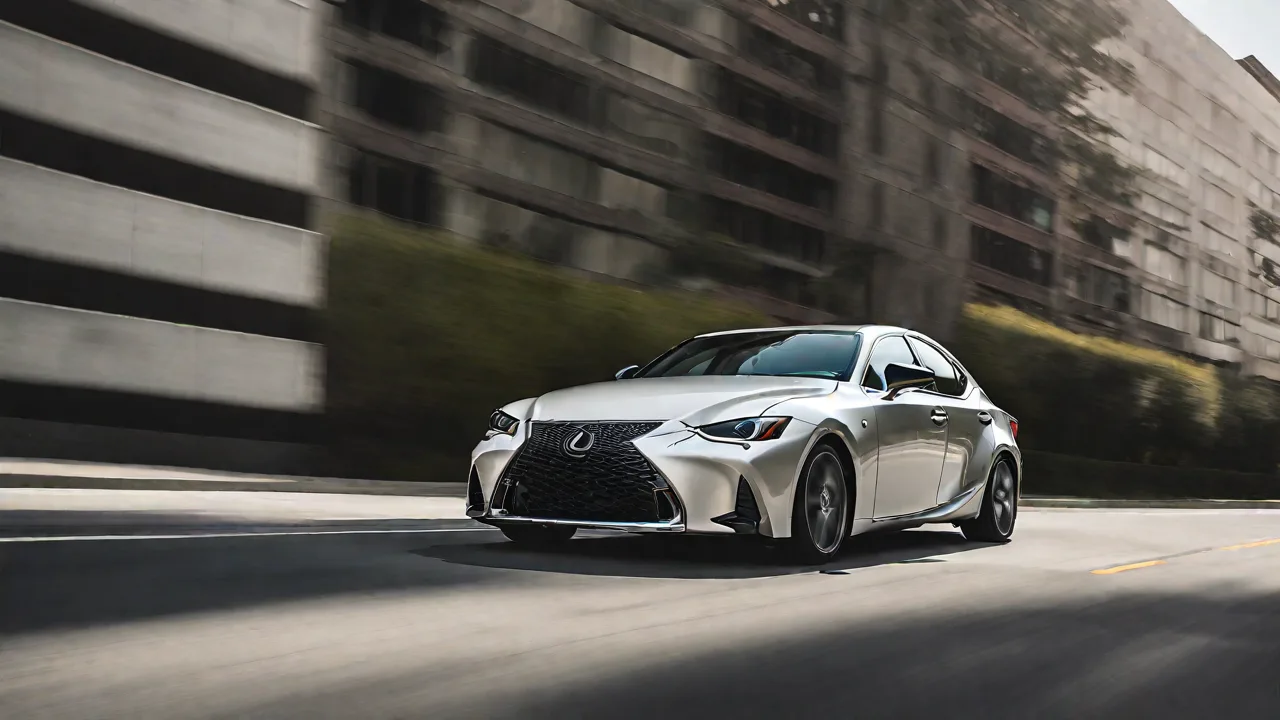
Everyday Lexus Guide to Using Telemetry Data on the Lexus IS 500 for Sport Driving Improvements
Telemetry data serves as an invaluable resource for drivers aiming to elevate their sport driving skills, especially when piloting a high-performance vehicle like the Lexus IS 500. This sophisticated data collection captures a wide array of real-time parameters—ranging from speed and throttle position to brake pressure and lap times—that enable drivers to gain a deeper understanding of their driving style and the car’s dynamic behavior. Leveraging this data allows you to make precise adjustments, optimize vehicle control, and ultimately shave time off your laps while maintaining safety and consistency on the track.
Understanding Telemetry Data in the Lexus IS 500
The Lexus IS 500 is engineered not only for thrilling performance but also for driver engagement and improvement. One of its standout features is its integrated telemetry system, which records comprehensive performance metrics during both everyday driving and spirited track sessions. This system collects data through a network of sensors and onboard computers, allowing you to analyze your driving post-session or in real time if paired with compatible telemetry software and hardware.
Telemetry data is invaluable because it offers objective insights into how the car reacts to your inputs and environmental conditions. By interpreting this data, you can uncover subtle inefficiencies in your driving technique or car setup that are otherwise impossible to detect with the naked eye or through feel alone.
Key Metrics to Monitor
- Lap Times: Lap timing is a straightforward but crucial metric that measures your overall performance on the track. Monitoring lap times across sessions helps you track progress and identify whether changes in technique or vehicle setup yield improvements.
- Throttle Input: The percentage and smoothness of throttle application affect acceleration, traction, and overall speed. Sudden or inconsistent throttle inputs can lead to wheelspin or loss of control, especially when exiting corners.
- Brake Pressure: Understanding how much brake force you apply and when is essential for maximizing braking efficiency without locking up the wheels. This metric helps you locate the ideal braking points and develop a smoother brake release.
- Cornering G-Forces: Measuring lateral G-forces reveals how effectively you are carrying speed through turns and how balanced the car remains under cornering loads. Higher sustained Gs typically indicate better cornering performance, assuming the car maintains grip.
- Speed and RPM: Speed data combined with engine RPM readings allows you to analyze acceleration phases and gear shifts. Optimal shift points maximize power delivery and can lead to more consistent lap times.
- Steering Angle: Tracking steering input helps evaluate your line through corners and steering smoothness. Abrupt or excessive steering inputs often translate to lost time and instability.
- Throttle and Brake Overlap: Some telemetry systems provide insight into how throttle and brake inputs overlap, which can indicate inefficient transitions or opportunities to trail brake more effectively.
Additional Data Points and Sensors
Beyond the core metrics, the Lexus IS 500’s telemetry system may capture data such as suspension travel, tire temperatures, and yaw rate. These parameters offer deeper insights into vehicle dynamics and can inform adjustments to suspension settings, tire pressures, or driving lines to optimize handling and grip.
Setting Up Telemetry Tools for the Lexus IS 500
To get the most out of your telemetry data, it’s important to understand how to access and utilize the Lexus IS 500’s system effectively. The vehicle may come equipped with a built-in performance monitor accessible via the infotainment system or instrument cluster. Additionally, compatible third-party telemetry devices and software can be connected to gather more detailed data and provide advanced analysis tools.
- Built-In Performance Monitor: The Lexus IS 500’s factory system can display basic telemetry such as lap times, g-forces, and acceleration data. Use the vehicle’s menus to record sessions and export data if supported.
- Aftermarket Data Loggers: Devices like AIM, RaceChrono, or Harry’s Lap Timer can be paired with the IS 500 to record GPS-based lap timing, video overlays, and more detailed sensor inputs.
- Smartphone Apps: Many drivers use smartphone apps combined with OBD-II Bluetooth adapters or GPS data to collect telemetry. While less comprehensive than dedicated hardware, these solutions are affordable and user-friendly.
Whichever method you choose, ensure your data acquisition setup is reliable and that data is synchronized properly with video footage if you plan to review driving sessions visually.
How to Use Telemetry Data for Sport Driving Improvement
Collecting telemetry data is only the first step. The real value lies in how you interpret and apply the information to refine your driving skills and vehicle setup. Here is a systematic approach to maximize the benefits of telemetry data in your Lexus IS 500:
1. Identify Weak Points and Patterns
Begin by analyzing your lap times in conjunction with telemetry metrics to locate specific corners or track segments where performance could improve. Look for patterns such as:
- Consistent speed drops in certain corners
- Excessive braking or throttle application
- High steering angle corrections indicating unstable cornering
- Delayed or early braking points
Highlight these areas for focused practice and experimentation.
2. Compare Best and Average Laps
Comparing your fastest lap with average laps helps identify what techniques or lines yielded the best results. Look closely at:
- Throttle and brake modulation differences
- Entry and exit speeds on corners
- Gear shift timing and RPM ranges
- Steering smoothness and angle changes
This comparative analysis reveals small adjustments that can be consistently applied to raise your baseline performance.
3. Fine-Tune Your Driving Technique
Using the insights gained, adjust your driving style in the following ways:
- Throttle Control: Aim for smoother, progressive throttle application to maintain traction and reduce wheelspin, especially when exiting corners.
- Brake Modulation: Practice applying brakes with controlled pressure to avoid lockups, trail braking into corners to carry more speed, and release brakes smoothly to transition effectively into acceleration.
- Cornering Lines: Evaluate your racing line to minimize steering angle and maximize grip. Telemetry can help identify if you are cutting corners too sharply or running wide.
- Gear Selection: Use RPM and speed data to optimize shift points, ensuring the engine stays within its power band for maximum acceleration.
4. Test Adjustments and Re-Analyze Data
After making deliberate changes to your driving technique, return to the track and record new telemetry data. Compare the new session against previous data to confirm whether the adjustments yield measurable improvements in lap times, cornering speeds, and overall consistency.
Be patient and methodical—improvements often happen incrementally. Keep detailed notes alongside your telemetry graphs to track what works best.
Advanced Tips for Leveraging Telemetry in the Lexus IS 500
Use Video Telemetry Overlays
Combining video footage with telemetry overlays allows you to visualize exactly how your inputs affect the car’s behavior. Watching your steering, throttle, and brake inputs in sync with track position helps cement learning and spot errors or hesitation points.
Analyze Tire Temperature and Pressure Data
If your telemetry system supports it, reviewing tire temperature and pressure data can be a game-changer. Uneven temperatures might indicate improper camber or tire pressures, while pressure changes during a session inform you about tire wear and grip levels. Adjusting tire setup based on this data enhances handling and lap times.
Monitor Vehicle Balance and Suspension Behavior
Telemetry data related to suspension travel, pitch, and yaw rates help you understand how the Lexus IS 500’s chassis responds to your inputs and track conditions. This knowledge is useful for drivers who want to fine-tune suspension settings or optimize vehicle setup for specific tracks or driving styles.
Benchmark Against Other Drivers
Comparing your telemetry data with that of more experienced drivers or professional instructors can accelerate learning. Some track communities and clubs facilitate data sharing and analysis, which can help you identify new lines, braking points, or techniques you may not have considered.
Common Challenges When Using Telemetry and How to Overcome Them
While telemetry offers numerous benefits, some drivers initially find interpreting the data overwhelming or confusing. Here are common challenges and tips to overcome them:
- Data Overload: Focus on mastering a few key metrics at a time rather than trying to analyze everything simultaneously.
- Inconsistent Data Collection: Ensure your telemetry devices are properly calibrated and synchronized before each session to avoid inaccurate results.
- Misinterpreting Data: Seek guidance from experienced drivers, instructors, or online forums to understand what changes the data suggests and how to apply them.
- Neglecting Vehicle Setup: Remember that telemetry improvements come from a combination of driver skill and vehicle tuning. Don’t overlook suspension, tires, or brake setup adjustments.
Conclusion
The Lexus IS 500’s telemetry system offers a robust platform for drivers eager to enhance their sport driving prowess. By systematically collecting and analyzing data on lap times, throttle and brake inputs, cornering forces, and more, you can develop a detailed understanding of your driving style and the vehicle’s behavior. This insight empowers you to make targeted improvements, whether refining your driving technique, optimizing vehicle settings, or testing new approaches on the track.
Embracing telemetry as a core part of your sport driving routine transforms subjective impressions into objective feedback, enabling continuous progress. Whether you are a weekend enthusiast or an aspiring track competitor, mastering telemetry analysis will help you unlock the full potential of your Lexus IS 500 and enjoy a more rewarding, faster, and safer driving experience.